Insights & Publications
Access our research papers, briefings, and policy recommendation roadmaps regarding digital governance.

StandICT.eu: Feasibility Assessment for an ISO Standard on Artificial Intelligence
DTID assesses the feasibility of an international ISO standard for the responsible deployment of AI — examining interoperability, transparency, cybersecurity, and ethics.
Download PDF →
BlockStand: Digital Asset Management on Distributed Ledger Technologies
Guidance on responsible digital asset ecosystems covering digital identity, EBSI Verifiable Credentials, eIDAS2, and MiCA.
Download PDF →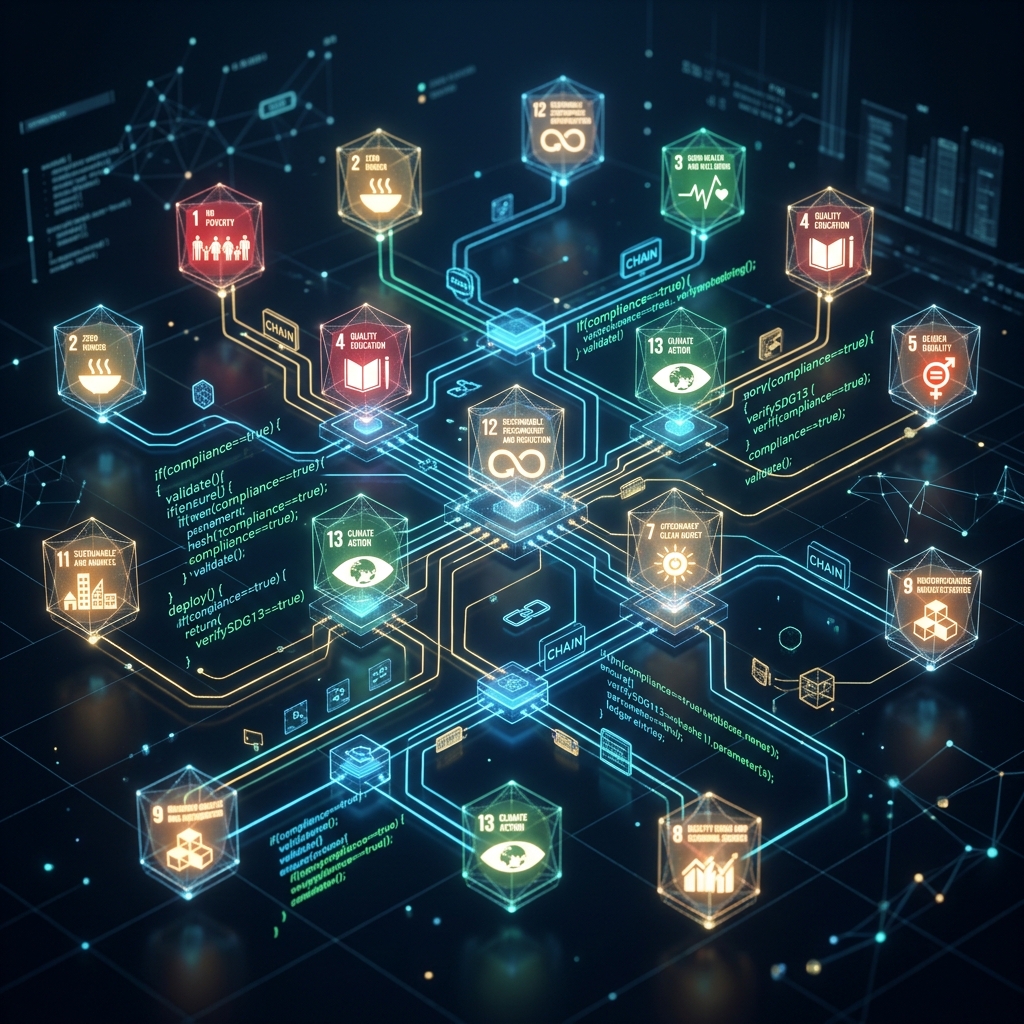
SeeBlocks.eu: Smart Contracts for the SDGs and ISO PAS 24874
EU-funded implementation guidance for transparent, trusted smart contract applications supporting the UN Sustainable Development Goals.
Download PDF →
G20 TechSprint Finalist: Performance-Linked Financial Instruments
A blockchain-enabled framework for transparent capital allocation in the UK real estate sector, selected as a finalist in the G20 TechSprint global competition.
Download PDF →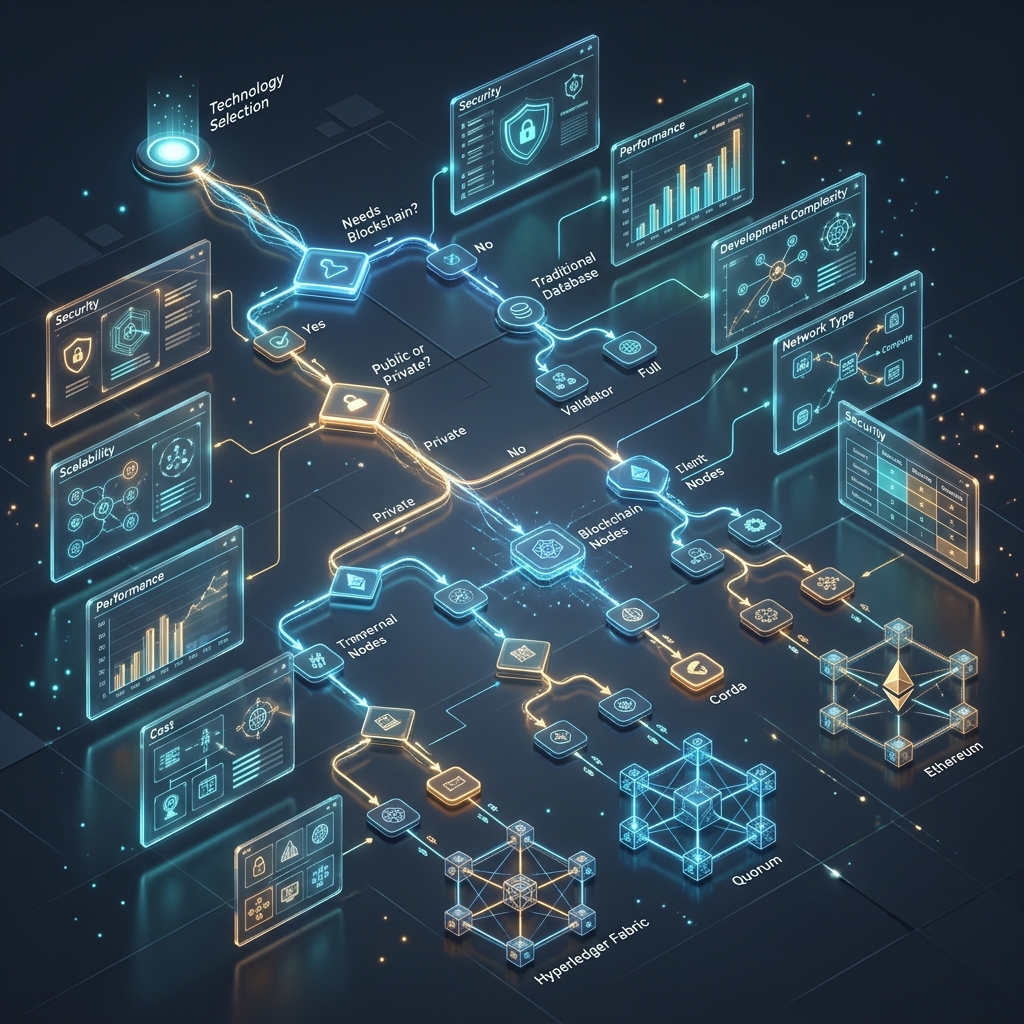
BlockStand: DLT Selection Evaluation System
A structured decision tree and grading methodology helping organisations determine whether distributed ledger technology suits a given use case.
Download PDF →
Governing Carbon Markets with Distributed Ledger Technology
Published by Cambridge University Press — a leading reference for governments and international organisations exploring blockchain governance.
Download PDF →
Blockchain-Based Monitoring for Climate Adaptation Infrastructure, Bangladesh
A DLT monitoring system for climate-resilient shelters improving transparency, accountability, and oversight in public infrastructure programmes.
Download PDF →
CTCN Webinar Series on Emerging Digital Technologies
A six-part webinar series with the UN Climate Technology Centre and Network, reaching representatives from more than 70 countries.
Download PDF →
Digital MRV Methods in UNFCCC and ISO Frameworks
Contributing to digital measurement, reporting, and verification methodologies through ISO technical committees and UNFCCC engagement.
Download PDF →